Compare business insurance for established UK companies
Liability, property, construction and fleet cover for firms with staff, premises, vehicles and contracts to protect. Choose the cover you need and we point you to specialist brokers who arrange insurance for businesses of your size and type.

What is MyBusinessComparison.com?
MyBusinessComparison.com is a UK business insurance comparison and information website for established companies. We are not an insurer or a broker. We explain what each type of commercial cover does and what insurers look for, then connect you with specialist brokers who arrange cover for that kind of risk.
The site is built for firms whose insurance has outgrown a simple online quote: several sites, a fleet, a property portfolio, contracts with minimum insurance terms, or a trade that mainstream insurers find hard to place.

Who the site is for
- Companies with staffA wage roll means employers' liability and often management liability.
- Owners of premises and stockBuildings, contents and stock usually sit on a commercial combined policy.
- Fleet and transport operatorsSeveral vehicles on one fleet policy, plus goods and cargo cover.
- Landlords and property investorsLet and part let buildings under commercial landlord insurance.
- Contractors and engineersContract conditions often set the contract works and liability limits.
- Boards and shareholdersPersonal cover for decisions through directors' and officers' insurance.
Business insurance by type of cover
Every type of commercial insurance on the site, grouped the way underwriters think about risk. Each guide explains what the policy covers, the common exclusions and the questions worth raising with a broker. Looking for a single trade? See insurance for trades.

Liability insurance
Claims from the public, staff, customers and clients, plus the personal exposure of directors and the cost of defending a claim.

Business protection
Cover that protects income, cash flow and key people, so a fire, a bad debt or the loss of a director does not stop the business.

Commercial property
Buildings, contents, rent and liability for owner occupiers, landlords, developers and portfolio investors.

Construction and engineering
Contract works, plant and liability for main contractors, specialist contractors and engineering firms.
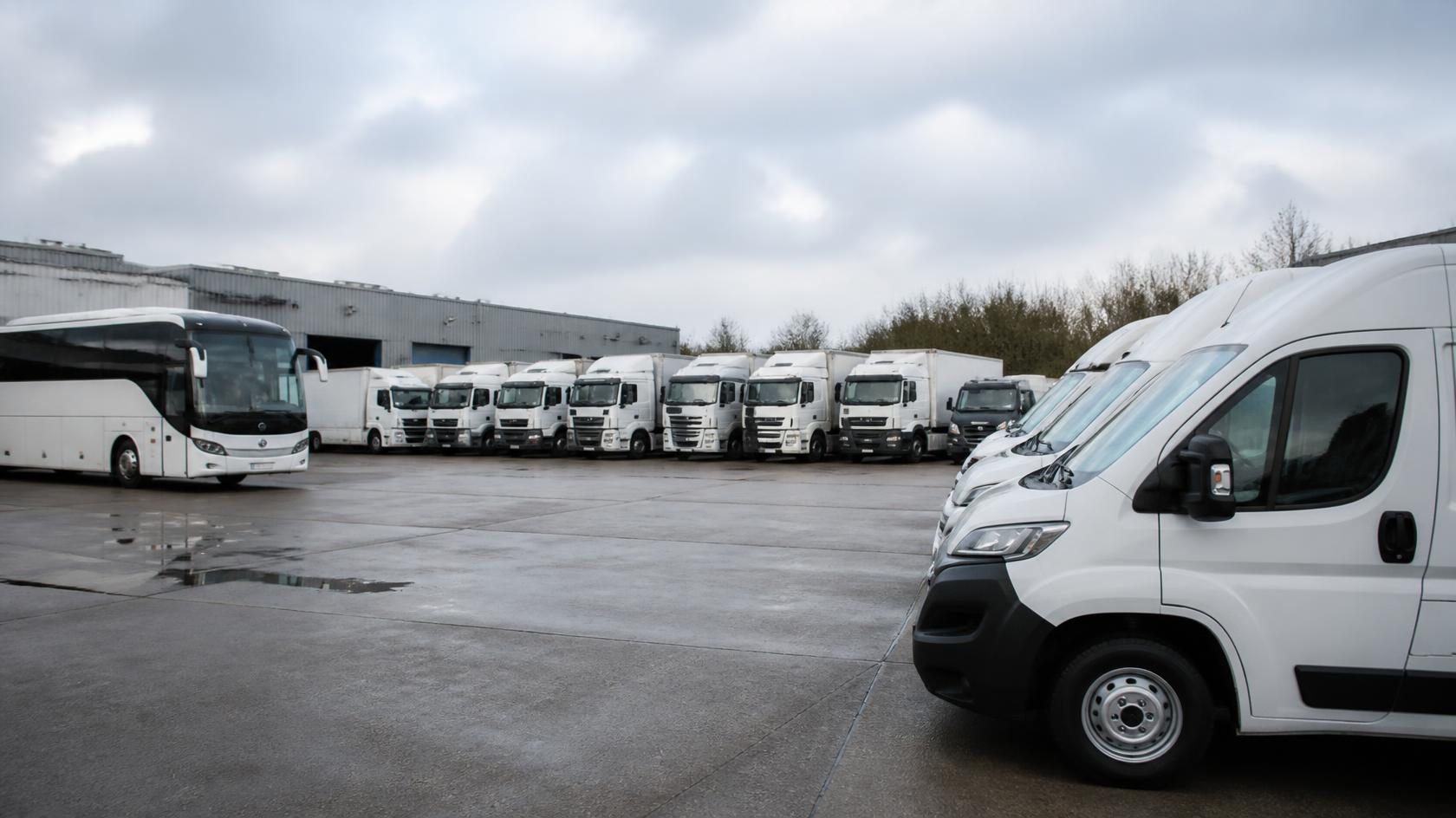
Fleet, motor and transport
Fleet, haulage, passenger transport and cargo cover, rated on how your vehicles are used and who drives them.

Insurance by industry
Packages built around how each sector actually operates, from factories and wholesalers to hotels, clinics and agencies.
How comparing business insurance works here
Choose the cover
Start with the policy or industry closest to your business. Each guide sets out what the cover does, where policies differ and what to check before renewal.
Prepare the underwriting detail
Activities, turnover, wage roll, sites, vehicles, sums insured and claims experience are what insurers price on. Good information gets better terms and fewer questions.
Compare with a specialist
A specialist broker approaches insurers for your risk and sets out limits, excesses, exclusions and conditions side by side, so you compare the cover and not just the premium.
What insurers look at before they quote a larger business
Underwriters phrase their questions differently, but the same points decide most commercial premiums. Getting them right before renewal avoids delays, gaps in cover and difficult conversations after a claim.
What the business actually does
Insurers split turnover by activity, because a manufacturer that also installs on site carries a different risk from one that only supplies. Describe every activity, including the small ones, or a claim from the undeclared work may not be covered. This matters most for products liability and construction companies.
Turnover, wage roll and headcount
Liability premiums are usually rated on turnover and wages. Many policies are adjusted at the end of the year, so understating figures now tends to mean an additional premium later. Headcount also drives employers' liability and group personal accident cover.
Claims experience
Underwriters look at what you have claimed, how often and what changed afterwards. A claims history with a clear explanation and evidence of the steps taken since is treated very differently from one with gaps. Keep a short note on each significant claim ready for renewal.
Premises and risk management
Construction, fire protection, security, housekeeping and any recent survey all shape commercial property insurance. Recommendations from a survey that have been completed, and can be evidenced, carry real weight with insurers.
Fleet use and driver management
For fleet insurance, insurers look at vehicle types, what they carry, where they go, driver ages, licence checks and how incidents are managed. Telematics, driver training and a written fleet policy can all help the conversation.
Sums insured, limits and contracts
Rebuild values, stock figures and gross profit should be current, because a policy can reduce a claim when sums insured are too low. Contracts and leases often set minimum limits, and business interruption cover needs an indemnity period long enough to rebuild and win customers back.
Packaged policies or a specialist broker?
Most small firms buy a packaged policy online. As a business grows, its insurance usually moves to a specialist broker who places the risk with insurers that underwrite each case individually.
A packaged policy often suits
- A single site with a straightforward trade
- Standard limits that match your contracts
- A few vehicles insured individually
- No significant claims, convictions or unusual activities
A specialist broker usually helps when
- You run several sites, a fleet or a property portfolio
- Contracts ask for higher limits or specific policy terms
- You manufacture, import or install products
- Past claims, empty buildings or unusual work make the risk hard to place
- Several policies would sit better on one programme with one renewal date
Which business insurance does my company need?
Most established firms hold several policies, often arranged as one programme. These are the combinations we see most often by type of business, as a starting point for a conversation with a broker.
Every business is different. Your broker can confirm which covers your contracts, leases, lenders and customers require.
Commercial insurance terms explained
The words that appear in every schedule and quote, in plain English.
- Limit of indemnity
- The most a policy will pay for a claim, or for all claims in a period. Liability limits are often set by contracts.
- Sum insured
- The value a property, stock or equipment section is insured for. It should reflect the full cost to rebuild or replace.
- Underinsurance
- When the sum insured is too low. Many policies then reduce a claim in proportion to the shortfall.
- Indemnity period
- How long business interruption cover pays lost profit after damage. It should cover rebuilding and recovering customers.
- Excess
- The part of each claim the business pays itself. A higher excess can reduce the premium on larger programmes.
- Retroactive date
- On professional indemnity and D&O policies, work or acts before this date may not be covered.
- Contract works
- Cover for the building or project being worked on until it is handed over, usually part of contractors' all risks.
- Fleet policy
- One policy for several vehicles, rated on the fleet's overall claims and use rather than vehicle by vehicle.
Business insurance questions, answered
Which business insurance does a UK company have to hold?
Most companies with employees must hold employers' liability insurance, and every vehicle used on a public road needs at least third party motor cover. Other covers are optional in principle, but contracts, landlords, lenders and customers usually require public liability, property cover and often professional indemnity.
What does commercial combined insurance include?
Commercial combined insurance brings several sections into one policy, typically buildings, contents and stock, business interruption, employers' liability, public liability and products liability. Each section has its own sums insured and limits, so the schedule should be checked section by section.
When does a business need fleet insurance rather than individual vehicle policies?
Insurers will usually consider a fleet policy once a business runs a handful of vehicles, and the larger the fleet the more the premium reflects the fleet's own claims record. One policy also means one renewal date and simpler driver management.
Do directors need their own insurance?
Directors can be personally liable for decisions they make on behalf of the company. Directors' and officers' insurance covers defence costs and awards in claims brought against them personally, and management liability packages it with employment practices and corporate cover.
How long should a business interruption indemnity period be?
Long enough to rebuild or relocate, replace specialist equipment and win back customers. For many established firms that is well beyond the time the building work takes. Choosing too short a period is one of the most common gaps in business interruption cover.
How do insurers price a larger business?
Insurers look at activities, turnover split, wage roll, sites and their protection, vehicles and drivers, sums insured, limits and claims experience. Firms in the same sector can pay very different premiums depending on risk management and claims history.
Can a business that has been declined elsewhere still get cover?
Often, yes. Past claims, convictions, unoccupied or listed buildings, hazardous processes and unusual trades are usually placed through specialist brokers with insurers that underwrite them individually. Full disclosure at the start gives the strongest chance of cover that responds when it is needed.
How often should sums insured be reviewed?
At least at every renewal, and whenever you extend a building, buy major equipment, add stock or acquire a business. Rebuild costs in particular change over time, and an out of date figure can lead to a reduced claim under commercial property insurance.
Is MyBusinessComparison.com an insurer or a broker?
Neither. MyBusinessComparison.com is a comparison and information website. We explain the cover and connect you with specialist brokers, and your policy is arranged by the broker with an insurer whose terms are set out in the policy documents.
Find the right cover for your business
Start with the cover or your industry, see what insurers look for, then compare with a specialist who arranges insurance for firms like yours.