Commercial Combined Insurance for UK businesses
One policy for your premises, stock, income and liabilities, built for established firms with staff, sites and goods to protect. Compare cover through specialist brokers who arrange combined policies for businesses of your size.
- Buildings, contents and stock on one schedule
- Business interruption to protect gross profit
- Employers', public and products liability included
Reviewed October 2026 by the MyBusinessComparison.com editorial team
What is commercial combined insurance?
Commercial combined insurance is a single business policy that brings property, business interruption and liability cover together. A typical policy insures your buildings, contents and stock, the gross profit you would lose after damage, and claims from employees, the public and customers.
Each part of the policy is a separate section with its own sum insured or limit, so you choose the sections that fit the business and leave out the rest. It suits manufacturers, contractors, wholesalers, retailers, hospitality groups and other established firms that own or occupy premises.
Commercial combined insurance at a glance
- Suits
- Established firms with premises, stock or equipment, and staff
- Core sections
- Property, business interruption, employers', public and products liability
- Compulsory part
- Employers' liability, for most businesses with employees
- Priced on
- Activities, sums insured, turnover, wage roll, premises and claims
- Usually arranged by
- A specialist commercial broker, often with a survey for larger sites
- Not included
- Motor vehicles, which need a separate fleet or vehicle policy
What does commercial combined insurance cover?
Most policies are built from the sections below. Your schedule shows which ones apply, the sum insured or limit for each, and any excess.
Buildings
Damage to buildings you own or are responsible for under a lease, including fire, flood, storm, escape of water and malicious damage. The sum insured should be the full rebuild cost, not the market value.
Read more about commercial property insurance
Contents and stock
Machinery, plant, office equipment, fixtures and stock at your premises. Many insurers offer seasonal increases for stock peaks and cover for stock held at other sites.
Business interruption
Lost gross profit and extra costs of working when insured damage stops or slows trading, for the indemnity period you choose.
Read more about business interruption insurance
Employers' liability
Claims from employees injured or made ill at work, including legal costs. Most UK businesses with staff must hold this cover.
Read more about employers' liability insurance
Public and products liability
Injury or damage to third parties caused by your business, and claims arising from goods you make, supply or repair.
Read more about products liability cover
Money and goods in transit
Cash on premises and in transit, and goods carried in your own vehicles. Larger or higher value loads are often better on a standalone policy.
Read more about goods in transit insurance
Optional sections worth considering
- Engineering inspection and breakdown: regular inspection and breakdown of boilers, lifts and plant
- Terrorism cover: damage and interruption caused by terrorist acts, usually excluded from the main property section
- Commercial legal expenses: employment disputes, tax investigations and contract disputes
- Cyber insurance: data breaches, ransomware and system downtime, which property sections rarely cover
Who needs commercial combined insurance?
It suits any established business whose premises, stock and staff would otherwise need several separate policies. These are the firms we see it work well for.
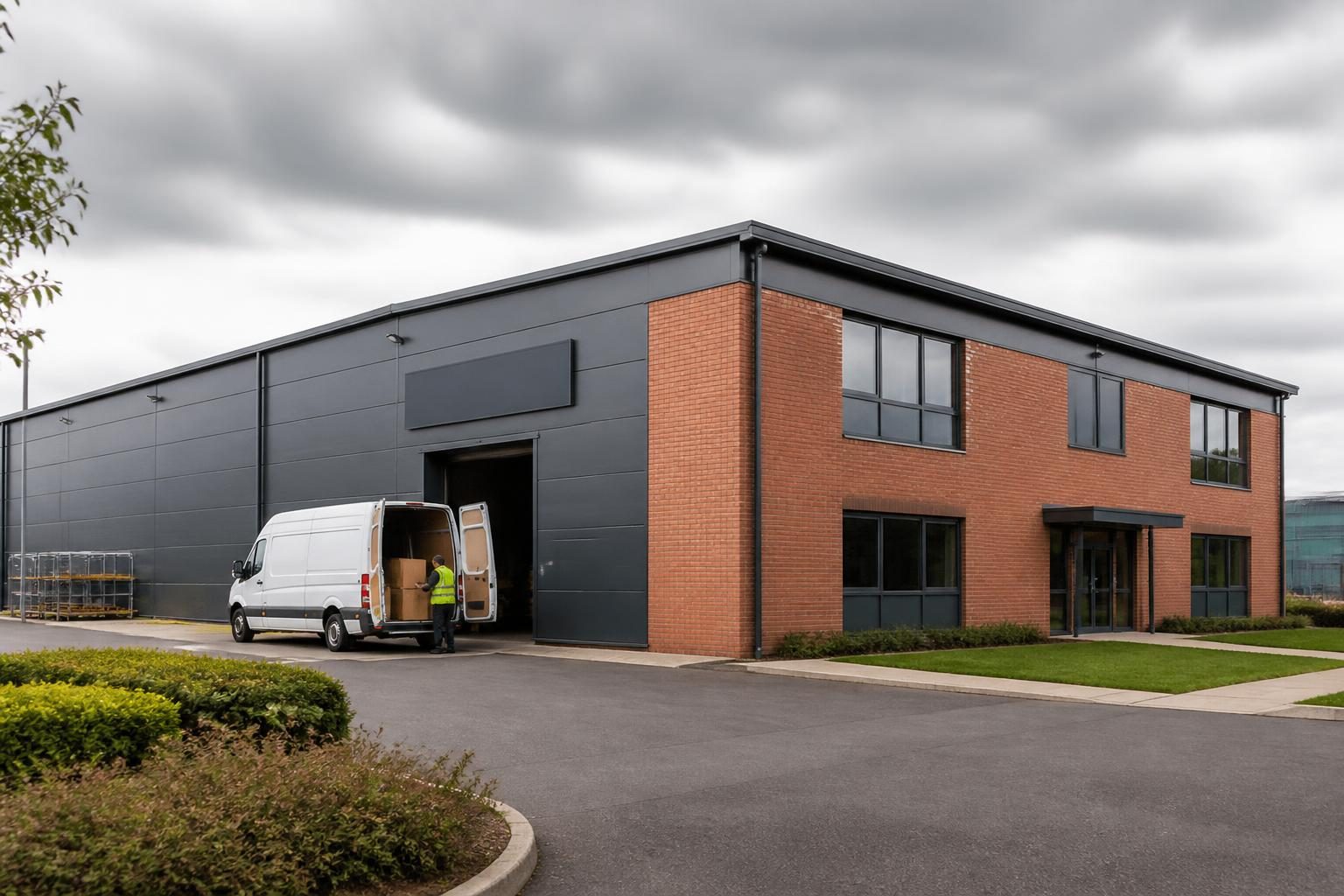
Your sector not listed? Most established firms with premises can use a combined policy. See insurance by industry or insurance for trade businesses.
- Manufacturers: machinery, raw materials, finished goods and products liability in one place
- Engineering firms: workshops, machinery and tools, plus liability for work done at customers' sites
- Construction companies and contractors: offices, yards, plant and materials with employers' and public liability, and the works themselves under contractors' all risks cover
- Civil engineering firms: depots, plant and site offices, with high liability limits for groundworks, roads and infrastructure
- Electrical and building services contractors: stock and tools in stores and on site, with liability for installations after handover
- Trade firms with a yard or workshop: builders' merchants, joinery shops and fabricators holding materials and running workshops
- Wholesalers and distributors: high stock values, seasonal peaks and goods leaving the site every day
- Warehouse and storage operators: racking, stock held for customers and the liability that comes with it
- Retailers with several shops: stock, shop fronts and the public on site, across more than one location
- Hotels, pubs and restaurant groups: buildings, contents, staff and customers under one renewal
- Leisure and entertainment venues: gyms, venues and attractions with visitors on site every day
- Motor traders with premises: a motor trade combined policy adds road risks to the premises, stock and liability
- Farms and agricultural businesses: a farm combined policy brings buildings, machinery, livestock and liability together
- Clinics and healthcare practices: premises and medical equipment, with treatment risks covered by a separate malpractice policy
- Technology and AI companies: offices, servers and hardware, alongside cyber and technology liability cover
- Head offices and professional firms: office contents, IT equipment and liability alongside professional cover
How much does commercial combined insurance cost?
There is no standard price. Insurers rate each section separately and add them together, so the premium reflects your activities, values and claims history. These are the factors that move it most.
Trade and activities
What happens on site matters more than the size of the building. Processes that involve heat, dust, flammable materials or work away from premises carry more weight.
Sums insured
Rebuild cost, contents, stock and gross profit set the property and interruption premium. Values that are too low can reduce a claim; values that are too high waste premium.
Turnover and wage roll
These drive the liability sections and are often adjusted at the end of the policy year to the actual figures.
Premises and protection
Building construction, fire alarms, sprinklers, intruder alarms and housekeeping are all assessed, and larger sites are often surveyed.
Claims history
Insurers look at what has been claimed, how often, and what has changed since. A well explained history counts for a lot.
Excess and limits
A higher excess on the property section, or limits matched to your contracts rather than set high by default, can change the premium.
What commercial combined insurance does not cover
Exclusions vary by insurer, but these gaps come up again and again at claim time.
- Motor vehicles on the road, which need a fleet policy or commercial vehicle insurance
- Gradual wear and tear, corrosion and faulty workmanship
- Buildings left unoccupied beyond the period allowed in the policy, unless agreed with the insurer
- Professional advice or design errors, which need professional indemnity insurance
- Cyber attacks and data breaches, unless a cyber section has been added
- Underinsurance, where a low sum insured reduces the amount paid on a claim
- Terrorism, unless the optional section has been bought
Commercial combined or separate policies?
Most growing firms move from separate policies to a combined policy. This is how they compare.
| Feature | Commercial combined | Separate policies |
|---|---|---|
| Renewal dates | One renewal and one schedule | Several renewals through the year |
| Gaps between covers | Sections written to work together | Gaps can open between different insurers |
| Claims handling | One insurer handles a loss that hits property and income | Separate insurers may handle each part |
| Flexibility | Sections added or removed at renewal | Each policy chosen independently |
| Usually suits | Firms with premises, stock and staff | Very simple or very specialist risks |
How to compare commercial combined insurance
Having this ready before you ask for quotes gets better terms and fewer follow up questions.
List every site and activity
Include secondary sites, storage, home working and any work done at customers' premises.
Confirm your values
Rebuild cost, contents, maximum stock value, gross profit, turnover and wage roll for the coming year.
Gather your risk details
Building construction, alarms, fire protection, recent surveys and any improvements made.
Note your claims history
What happened, what was paid and what changed afterwards for each claim.
Compare cover, not just price
Check limits, excesses, exclusions, the indemnity period and any conditions such as alarm or unoccupancy terms.
Ready when you are
Tell us about your business and a specialist broker will compare cover for you.
Get a quoteCommercial combined insurance FAQs
How much does commercial combined insurance cost?
It depends on your activities, sums insured, turnover, wage roll, premises and claims history. Each section is priced separately, so two firms of similar size can pay very different amounts. A broker can show you which sections drive the premium.
Is commercial combined insurance a legal requirement?
The policy as a whole is not compulsory, but the employers' liability section usually is if you have staff. Landlords, lenders and customers often require buildings, contents or liability cover as a condition of a lease, loan or contract.
What is the difference between commercial combined and an office or shop policy?
Office and shop policies are packaged for simple, lower risk premises with fixed sections. Commercial combined is built section by section for larger or more complex businesses, such as manufacturers, wholesalers and multi-site firms.
Can I add my vans or lorries to a commercial combined policy?
No. Vehicles used on the road need motor cover, usually a fleet policy once you run several vehicles. A combined policy can include goods in transit for the loads they carry.
Does commercial combined insurance cover more than one site?
Yes. Most insurers will list several premises on one schedule, each with its own sums insured, which keeps renewal dates and cover consistent across the business.
Does it cover stock held at other premises or in transit?
Many policies include a limited amount of cover for stock at other premises and in transit. If you regularly hold stock elsewhere or move high value loads, ask for the limits to be increased or a separate goods in transit policy.
Can I get commercial combined insurance with previous claims?
Usually, yes. Insurers look at what happened and what has changed since. Full details of each claim, and evidence of improvements, give a specialist broker a sound basis to place the risk.
Will the insurer need to survey my premises?
For larger or higher value sites, insurers often arrange a risk survey. Recommendations from the survey may become conditions of cover, so it is worth completing them promptly and keeping evidence.
How do I get a commercial combined insurance quote?
Use the quote button on this page and a specialist broker will contact you. Have your site details, values, turnover, wage roll and claims history ready so the broker can approach insurers straight away.
Ready to compare commercial combined insurance?
One policy for premises, stock, income and liability, arranged by a specialist who knows businesses like yours.