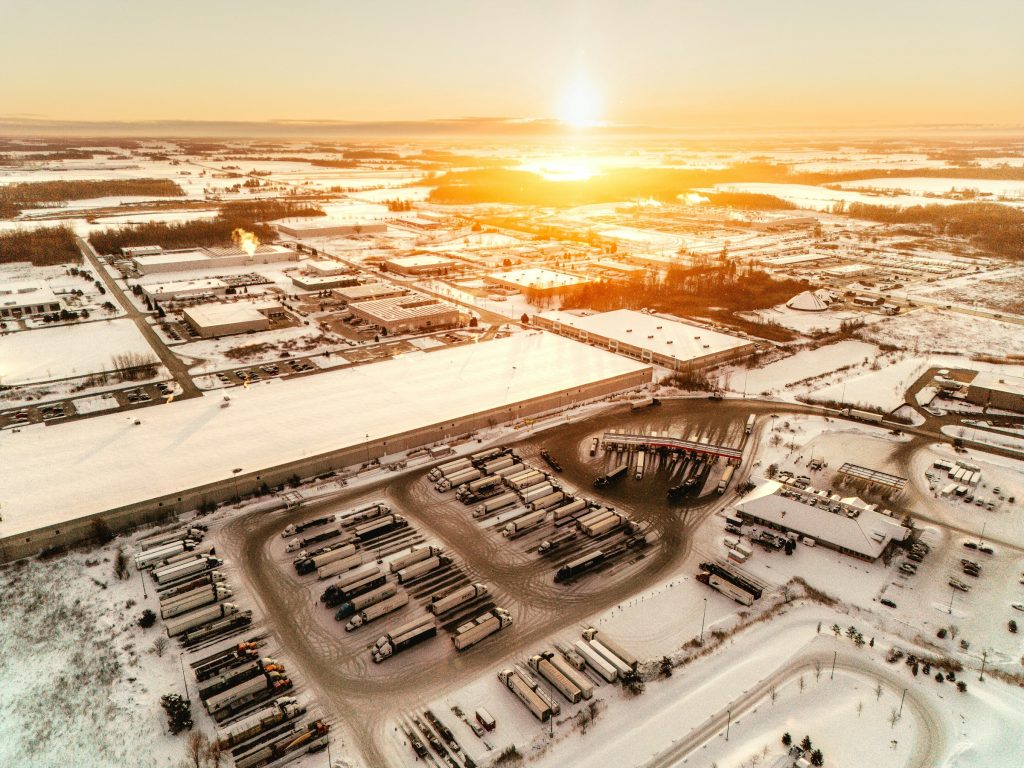
Winter-proofing commercial premises means checking heating, pipework, roofs and drains before the cold arrives, and having a plan for quiet periods when nobody is on site. Frozen pipes that split and then thaw are one of the most common causes of serious property damage in UK offices, shops, units and empty buildings, and most of that damage is preventable with a few hours of preparation.
This guide is written for owners, landlords and facilities managers of established businesses. It covers what to check, how to handle the Christmas shutdown and empty units, what insurers usually expect, and what to do in the first hour if a pipe bursts.
Why winter brings more water damage
Water expands as it freezes. A pipe in an unheated void, loft, plant room or outside wall can split overnight, and the leak often starts only when the temperature rises and the ice melts. By then the building may be empty for the weekend or the holidays, so water can run for hours or days before anyone sees it.
The damage rarely stops at the pipe. Water spreads through ceilings and floors, ruins stock and equipment, damages electrics and can close a site while it dries out. In multi-let buildings it also reaches tenants on the floors below, which is why landlords and occupiers both have a stake in getting the basics right.
A pre-winter checklist for your premises
Work through these checks in October or November, before the first hard frost. Keep a short record of what was done and when; it is useful if you ever need to show an insurer that the building was looked after.
| Area | What to check | Who usually does it |
|---|---|---|
| Heating | Boiler serviced, frost protection setting working, timers cover nights and weekends | Heating engineer |
| Pipework | Lagging on pipes in lofts, voids, plant rooms and outside walls; no exposed runs near vents or doors | Maintenance team or plumber |
| Water tanks | Tanks and cisterns insulated, lids secure, overflows clear | Maintenance team |
| Roof and gutters | Gutters and downpipes cleared of leaves, flat roof outlets open, loose coverings fixed | Roofing contractor |
| Drains | Gullies and interceptors clear so meltwater can escape | Drainage contractor |
| Sprinklers | System inspected; any sections in unheated areas protected against freezing | Fire protection contractor |
| Stopcocks | Main stopcock found, labelled, and turning freely; staff know where it is | Site manager |
Heating and temperature
The single most effective step is keeping enough heat in the building. A low frost protection setting is usually enough to stop pipes freezing, even when the building is closed. Check that timers and thermostats cover evenings, weekends and holidays, and that radiators in rarely used rooms are not switched off completely.
Boilers and pressure systems in commercial buildings often need regular statutory inspection as well as servicing. Engineering inspection cover can pair those inspections with breakdown cover, so a failed boiler in January is repaired quickly rather than leaving the building cold.
Pipes, tanks and hidden voids
Walk the building with the question: where is water stored or carried somewhere that gets cold? Lofts, ceiling voids, under-floor spaces, plant rooms, loading bays and pipes running along outside walls are the usual weak points. Lag anything exposed, and fix dripping taps and slow leaks now, because a pipe that is already weeping is more likely to fail under ice.
Roofs, gutters and drains
Not every winter water claim comes from inside. Blocked gutters overflow into walls, flat roofs hold standing water that freezes and lifts the covering, and snow on a roof can melt into gaps around rooflights and plant. Clearing gutters and outlets is cheap and removes one of the most common causes of internal water damage after a storm.
Sprinklers and fire protection
Wet sprinkler pipes in unheated areas can freeze and burst like any other pipe, with the added problem that the system may be out of action until it is repaired. Ask your fire protection contractor to check any sections near loading doors, canopies or roof spaces, and tell your insurer if a sprinkler system will be shut down for repair, as many policies require this.
Leak detection and automatic shut-off
Leak sensors and automatic shut-off valves are now inexpensive and can be fitted to the incoming main. They close the supply when they detect unusual flow, which turns a flood into a small leak. Some insurers look favourably on them for buildings that are regularly unattended, so mention them when your cover is reviewed.
Planning for the Christmas shutdown
The quietest fortnight of the year is also when frozen pipes do the most damage, because nobody is there to notice. Before you close:
- Leave the heating on a frost protection setting rather than off.
- Turn off the water supply to areas that will not be used, such as kitchens and washrooms on empty floors, and drain them if you can.
- Arrange for someone to visit the site during the shutdown, inside as well as outside, and keep a note of each visit.
- Make sure your alarm company and keyholders have up-to-date contact numbers, including a contact who can authorise emergency repairs.
- Take photographs of stock, equipment and the condition of the building. They make any claim far easier to support.
A building that is heated, visited and has its water turned off where it is not needed is far less likely to suffer a serious escape of water while it is closed.
Empty units, vacant floors and buildings between tenants
Empty property is where winter risk is highest. With no one using the water and the heating often switched off to save money, pipes freeze unnoticed, and a leak in an empty unit can run for a long time before it is found.
Most property policies change once a building has been empty for a set period. Typical conditions include regular inspections, draining down the water system or keeping heating on, securing the building, and telling the insurer that it is empty. Some policies restrict cover for escape of water altogether while a building is vacant. If a unit or floor is empty, check the wording or ask your broker, and consider specialist unoccupied property insurance if the existing policy no longer fits.
Landlords with several buildings should keep a simple register of which units are empty and when they were last inspected. Insurers that arrange property portfolio insurance will usually ask for this, and it makes it much easier to show conditions were met.
What your insurance expects in winter
Escape of water is normally covered by a standard commercial property insurance policy, but the detail matters. Points worth checking before the cold weather:
- Escape of water excess. Many policies carry a higher excess for water damage than for other claims.
- Trace and access. Whether the policy pays to find a hidden leak and make good the damage caused in getting to it.
- Conditions and warranties. Heating, inspection or drain-down requirements, especially for empty areas.
- Contents and stock. Whether stock stored on the floor is covered if water reaches it, which matters in warehouses and storage units.
- Who insures what. In let buildings, the lease decides whether the landlord or tenant insures the building, fixtures and fit-out. Commercial landlord insurance usually covers the building and loss of rent, while tenants insure their own contents and improvements.
For firms that occupy their own premises, a commercial combined policy can bring buildings, contents, stock and liability together, which avoids gaps between separate policies when water damages several things at once. Older and protected buildings bring extra considerations, such as specialist repairs and traditional materials; see our guide to listed building insurance if that applies to you.
Keeping the business running after water damage
Repairing the building is only part of the cost. Drying out, replacing equipment and waiting for contractors can close an office, shop or production area for weeks. Business interruption insurance covers the lost profit and extra costs during that time, so it is worth checking that the indemnity period is long enough for a realistic repair and that the sum insured still reflects your current turnover.
A simple continuity plan helps too: know where staff could work temporarily, which suppliers can deliver replacement equipment quickly, and who will speak to customers if you have to close for a short time.
If a pipe bursts: the first hour
- Turn off the water at the main stopcock, and drain the system by opening cold taps if it is safe to do so.
- Switch off electricity to affected areas if water is near sockets, lights or equipment. Do not touch electrics that are wet.
- Move stock, records and equipment out of the way of the water where you can do so safely.
- Take photographs and video of the damage and the source of the leak before anything is cleared away.
- Tell your broker or insurer as soon as possible. Most insurers have a claims line that can send emergency contractors.
- Keep damaged items unless the insurer agrees they can be thrown away, and keep receipts for any emergency costs.
If you bring in your own contractors to stop the leak or start drying, check that they carry their own public liability insurance in case their work causes further damage, and keep copies of their invoices for the claim.
Frequently asked questions
Is a burst pipe covered by commercial property insurance?
Usually, yes. Escape of water from fixed pipes, tanks and heating systems is a standard part of most commercial property cover. The pipe itself may not be covered, and there is often a higher excess for water damage, so check the policy schedule.
Do I have to keep the heating on in an empty building?
Many policies require either heating to be kept on or the water system to be drained down while a building is empty, along with regular inspections. The exact condition varies between insurers, so check your policy or ask your broker before the building is left.
Who is responsible for frozen pipes in a let building, landlord or tenant?
It depends on the lease. Landlords usually insure the structure and shared services, while tenants are often responsible for pipework inside their own unit and for their contents. The lease and both parties' policies should be read together.
Will fitting leak detection lower my premium?
It can help. Some insurers take automatic shut-off valves and leak sensors into account, particularly for buildings that are often empty. Even where the premium does not change, they can reduce the size of a claim and the time a site is closed.
Every building is different, and the right cover depends on how your premises are used, who occupies them and whether any areas stand empty. Compare options for offices, shops, units and portfolios in our commercial property and landlord insurance guides.